Regenerative Medicine For Multiple Sclerosis Fundamentals Explained
Regenerative Medicine For Multiple Sclerosis for Dummies
Table of ContentsRegenerative Medicine For Multiple Sclerosis Things To Know Before You BuyThe 10-Minute Rule for Regenerative Medicine For Multiple SclerosisGetting My Regenerative Medicine For Multiple Sclerosis To WorkThe Greatest Guide To Regenerative Medicine For Multiple SclerosisNot known Incorrect Statements About Regenerative Medicine For Multiple Sclerosis Our Regenerative Medicine For Multiple Sclerosis IdeasGet This Report on Regenerative Medicine For Multiple Sclerosis
The mesenchymal stem cells hair transplanted during stem cell treatment can divide and grow to develop brand-new cells that can take the location of the damaged cells of the anxious tissue. This might bring back neurological features in individuals with this problem. These benefits of stem cell treatment are additional sustained by the capability of MSCs to promote recovery.Individuals with numerous sclerosis are typically treated with mesenchymal stem cells. These are multipotent stem cells that have the capacity to differentiate and grow to create a vast array of cell types in the body. Once transplanted, these stem cells can create to develop healthy nerve cells therefore supporting the regeneration of the damaged tissues of the nervous system.
Once hair transplanted, the stem cells move to areas of swelling or damages within the main nervous system (CNS). They are normally brought in to the sites of injury where the body immune system is attacking the myelin sheath, the safety treatment of nerve fibers. The stem cells function by promoting the fixing and regrowth of damaged myelin, potentially bring back feature to influenced afferent neuron.
Regenerative Medicine For Multiple Sclerosis Fundamentals Explained
Stem Cell Research on MS The National Multiple Sclerosis Society, along with other companies, is proactively funding and sustaining study into mesenchymal stem cell therapy for several sclerosis to discover their possible and enhance therapy methods. The objective is to create safer and more effective methods to use stem cells in treating MS.
Here are testimonials from clients of the Swiss Medica facility. The individual took a trip from England seeking remedy for his MS signs and symptoms, a condition he has fought since 2006. Throughout the years, he has actually fought with fatigue, flexibility problems, and complications with his bladder and bowel, all originating from nerve damages.
His treatment experience was smooth. He likewise valued that his travel, lodgings, and vegan nutritional choices were attentively set up. "The clinical personnel were impressive, specifically the doctor. Whatever was clearly explained, and they were thorough in their checks. I would most definitely recommend this location." The person traveled from Romania seeking treatment for MS after listening to positive responses about stem cell treatment for the disease.
Obtain a totally free online assessment to learn exactly how stem cells will certainly function for your instance, and what are the period and price of the therapy. Uccelli, A., Laroni, A., Brundin, L., Clanet, M., Fernandez, O., Nabavi, S. M. Regenerative Medicine for Multiple Sclerosis., Muraro, P. A., Oliveri, R. S., Radue, E. W., Sellner, J., Soelberg Sorensen, P., Sormani, M. P., Wuerfel, J. T., Battaglia, M
Stem cells are cells in the body that can mature into specialized right into that serve a specific functionDetails There are 2 major kinds of stem cells: embryonic stem cells and grown-up stem cells.
are discovered in some grown-up cells and organs consisting of the bone marrow, skin, blood, and brain. Adult stem cells are not as flexible as beginning stem cells and are consequently much more restricted in terms of the sorts of cells they develop right into. The special residential properties of stem cells supply guarantee for new therapies that can slow/halt MS condition activity and repair work cells damages in the main nervous system.
A Biased View of Regenerative Medicine For Multiple Sclerosis
The procedure involves collecting stem cells from an individual's own (autologous) bone marrow. The individual is then treated with radiation treatment to deplete the body immune system and stem cells are reestablished into the body where they grow right into brand-new, healthy and balanced immune cells - Regenerative Medicine for Multiple Sclerosis. Stem cells can be infused into the body in different ways

In 2000, the MS Society of Canada and MS Scientific Research study Foundation funded a clinical trial involving HSC transplants, led by Drs. Mark Freedman and Harry Atkins from the Ottawa Healthcare Facility Study Institute/University of Ottawa. The aHSC therapy offered in Canada is a treatment that utilizes high-dose chemotherapy, likewise called conditioning.
Indicators on Regenerative Medicine For Multiple Sclerosis You Should Know
Neural stem cells (NSC) are found in the brain and can grow right into various sorts of mind cells consisting of neurons, oligodendrocytes, and astrocytes. NSCs may serve to repair or safeguard the mind and modulate the body immune system. Early scientific trials in non-human primates demonstrated that therapy with NSCs benefitted the development of MS-like disease in pet versions.
The arise from these safety and security studies are positive for future stem cell and regenerative medicine treatments in MS. Future scientific trials (stage 2 and 3) with bigger varieties of participants and controls are needed to examine the efficacy of this therapy for MS. As demonstrated by the instances above, there is a substantial array of research study occurring that will give extra answers about using stem cells to treat MS.
Stem cell therapy is considered risk-free, but, like any medical procedure, it carries some risks, such as momentary swelling or discomfort at the injection site. Nevertheless, significant side results are unusual when carried out by certified professionals.
The Definitive Guide to Regenerative Medicine For Multiple Sclerosis
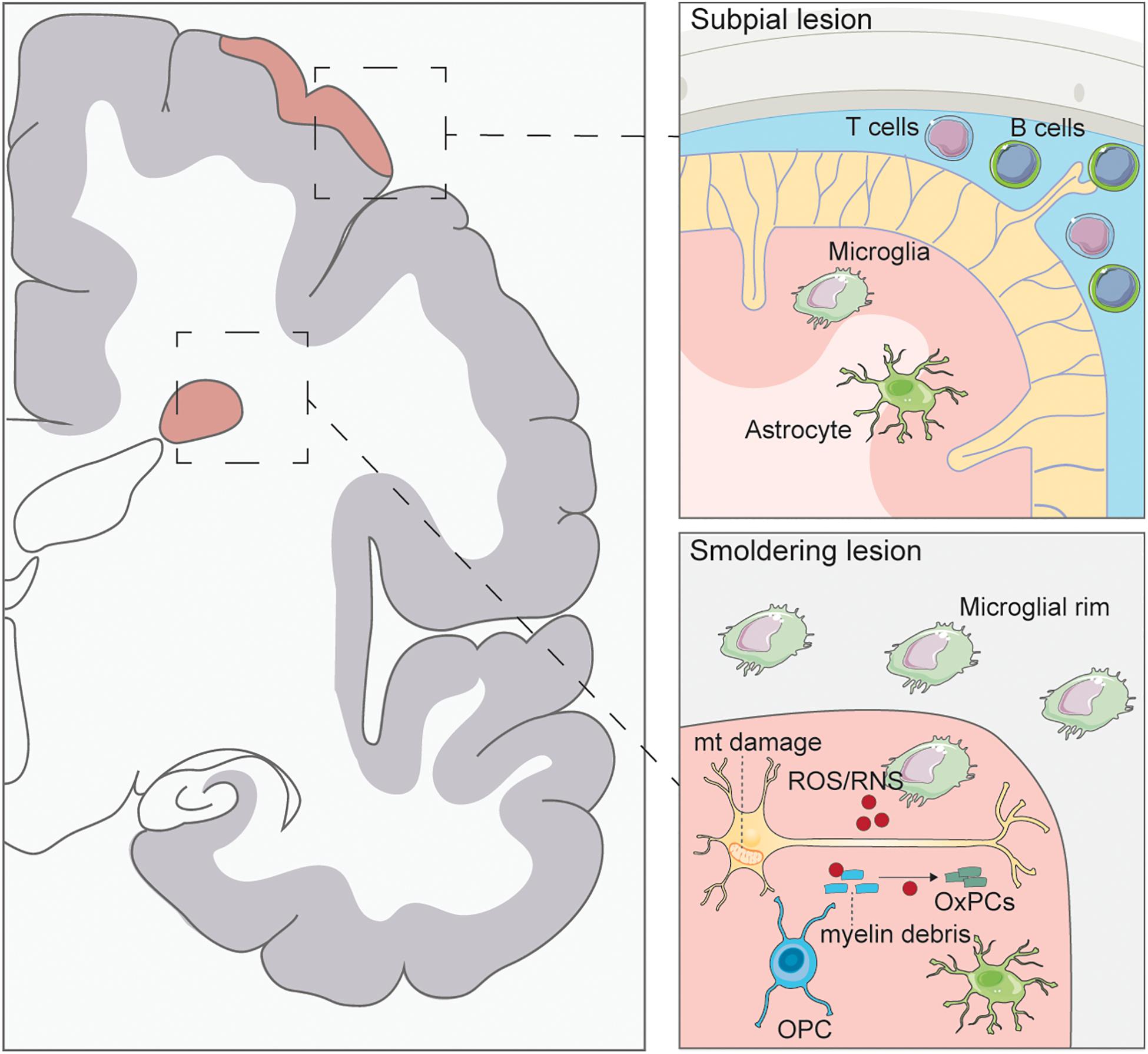
Several sclerosis (MS) is a persistent illness of the central nervous system that impacts the mind and spinal cable. It is identified by the destruction of myelin, a material that covers nerve fibers, leading to interruptions in interaction in between the brain et cetera of the body. Signs and symptoms can differ commonly and include muscle mass weak point, vision troubles, imbalance, and tiredness.
Several sclerosis is defined by the body immune Your Domain Name system incorrectly attacking the protective sheath (myelin) that covers nerve fibers, triggering communication issues between the mind et cetera of the body. The condition can lead to the deterioration or long-term damage of nerves. Signs differ commonly amongst people and can include tiredness, mobility issues, pain, and cognitive changes.